Have you ever had this experience: you pick up the curling iron, concentrating on getting the perfect curls, but inadvertently, the hot heating rod gives your wrist, neck, or forehead a ruthless kiss? That burning pain is enough to instantly destroy all your styling enthusiasm.
Don’t despair, you’re not alone. It’s a rite of passage for nearly every curling iron user. But the good news is, you can avoid this pain altogether. With some simple preparation and techniques, you can not only avoid burns but also achieve your dream hairstyle more safely and efficiently.
Solve the problem at the source: Choose a “security guard”
If you’re considering buying a new curling iron, or looking to upgrade your tools, making safety a priority can go a long way in ensuring you get the best results with minimal effort.
Look for a “Cool Tip” : This is the most basic and crucial safety feature. Almost all major curling iron brands have a small, cool area at the end of the heated rod. This allows you to use your free hand to secure the curl while you’re curling, giving you greater control and preventing burns.
Explore built-in heat protection : Some curling irons have the heating element hidden inside the clamp or are coated with heat-resistant material. This design can effectively reduce the risk of direct skin contact with the hot heating rod, especially for beginners and those who are not confident in their hand coordination.
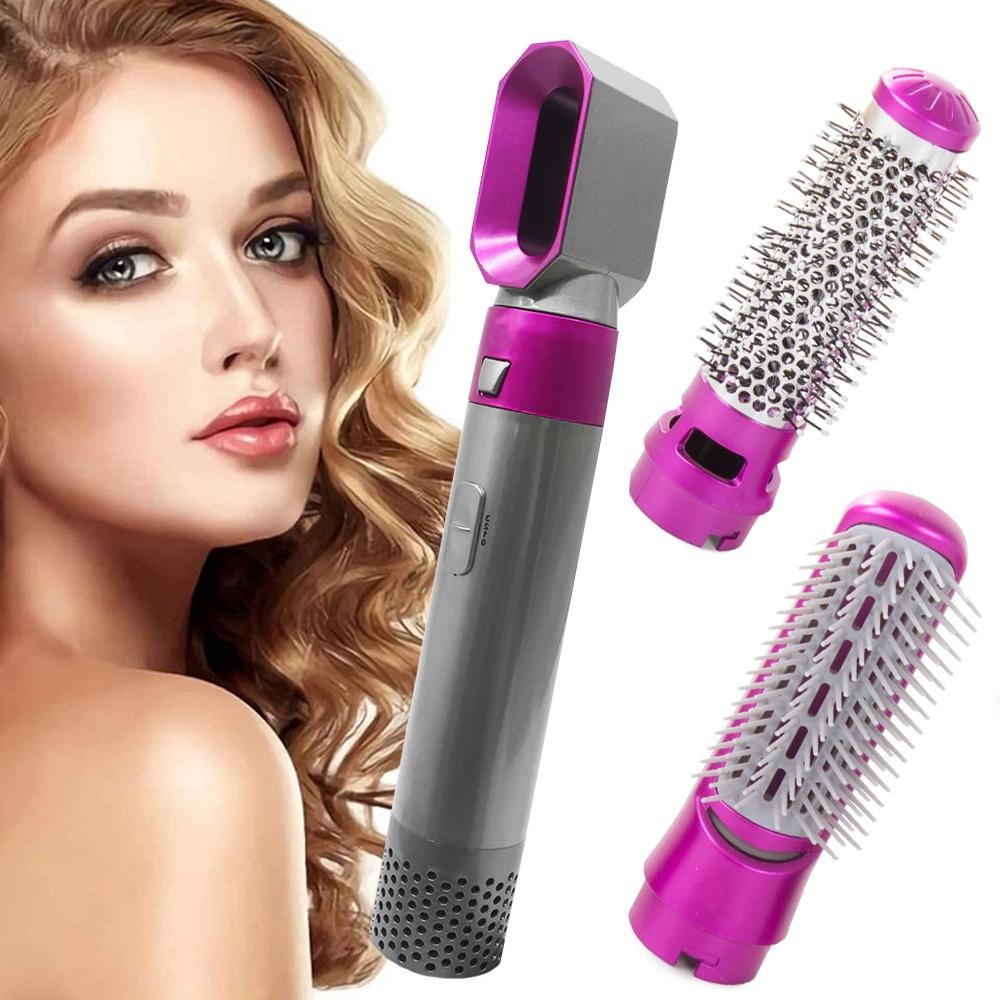
Give an automatic curler a chance : If your goal is to completely free your hands, then an automatic curler is the ultimate blessing. It automatically sucks in your hair and heats it in a sealed ceramic chamber, so your hands and skin never come into contact with the heating element, making it almost the safest option.
Winning by technique: Arm yourself with professional skills
Even if your curling iron does not have the above functions, correct operation techniques can keep you away from burns.
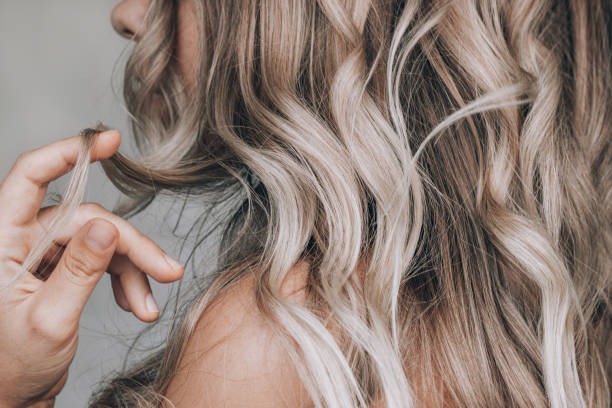
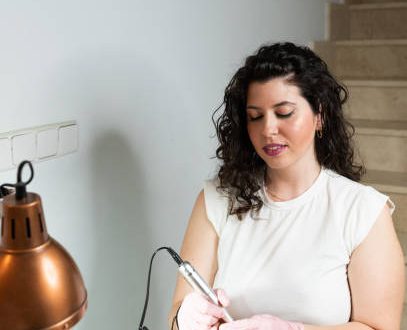
Wear your “magic gloves” : Professional hairstylists almost always wear heat-resistant gloves . Made of special heat-resistant fibers, they allow you to directly touch the heating rod to assist with styling without worrying about burns. It’s a simple, effective, and low-cost solution.
Work in layers and take it one step at a time : Don’t try to curl too much hair at once. Divide your hair into small sections and secure them with bobby pins. Working with small sections at a time will not only ensure longer-lasting, even curls, but also give you better control over the curling iron, reducing the chance of misdirection.
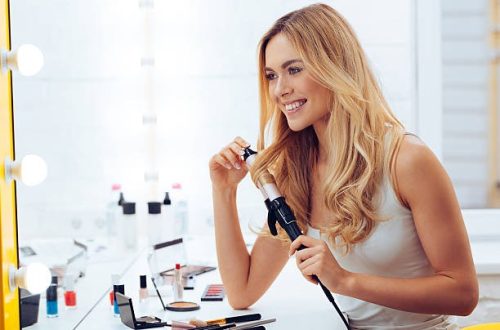
Get the right direction : Always keep the clip of the curling iron facing you while curling your hair. This keeps your wrists, arms, and face at a safe distance, preventing the heating rod from accidentally coming into contact with your skin.
Safety First: Building a Barrier for Your Hair and Skin
In addition to operating skills, some simple preparation work can also play a key protective role.
Never use on wet hair : This is a golden rule. Using a curling iron on wet hair can not only severely damage your hair, but it can also create steam that can cause burns. Make sure your hair is 100% dry before styling .
Use Heat Protectant Spray : This is like putting a layer of “fireproof clothing” on your hair. Before you start curling your hair, spray a layer of heat protectant spray evenly. It can protect your hair, reduce heat damage, and make the curls more natural and lasting.
Stay alert : When using a curling iron, always pay attention to your face, ears, neck, and scalp. Stay focused and avoid distractions. If burned, rinse immediately with cold water and seek medical help if necessary.
Above all, safety always comes first. By choosing the right tools, mastering the correct techniques, and taking proper precautions, you can enjoy creating beautiful hair with confidence and peace of mind. The next time you pick up a curling iron, remember: you’re creating beauty, not taking risks.