Navigating the world of skincare can be overwhelming, especially when it comes to finding the perfect moisturizer. With countless options promising everything from deep hydration to a flawless makeup base, making the right choice is fundamental to a healthy skin barrier. A good moisturizer does more than just combat dryness; it protects the skin, improves texture, and can be the key to long-lasting makeup. This guide provides an in-depth exploration of various moisturizer types, from rich creams for parched skin to ultra-light gels for oily complexions, featuring detailed analyses of popular, budget-friendly products to help you find your ideal match.
Understanding Your Skin Type: The Foundation of Moisturizer Selection
Before you can choose the right product, you must first understand your skin’s unique needs. A moisturizer that works wonders for dry skin might cause breakouts on an oily complexion. Identifying your skin type is the non-negotiable first step in building an effective skincare routine.
Identifying Dry and Sensitive Skin Needs
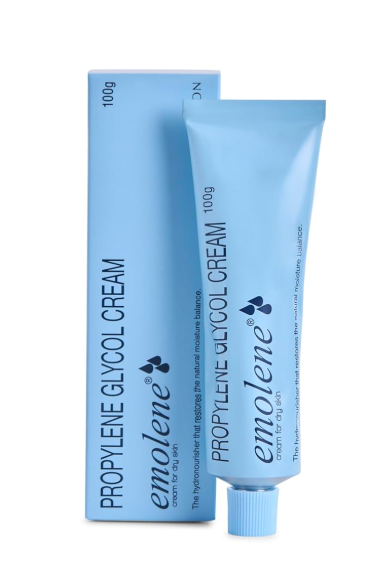
Dry skin often feels tight, flaky, and can be prone to irritation and redness. It lacks sebum and struggles to retain moisture. For this skin type, a richer, cream-based moisturizer is essential. Look for ingredients like emollients, which soften the skin, and occlusives, which create a protective barrier to prevent water loss. Products like Emolene Moisturizing Cream are specifically formulated for dry skin, using humectants like propylene glycol to draw moisture into the skin while providing a soothing, non-greasy finish. Sensitive skin often overlaps with dryness and benefits from gentle, fragrance-free formulas.
Catering to Oily and Combination Skin
Oily skin is characterized by excess sebum production, leading to a shiny appearance and a higher likelihood of clogged pores and acne. Combination skin typically features an oily T-zone (forehead, nose, and chin) with normal or dry cheeks. The key for these types is to provide hydration without adding extra oil or weight. Oil-free, non-comedogenic (won’t clog pores), and gel-based formulas are ideal. Products like Pond’s Super Light Gel and Neutrogena’s Hydro Boost offer deep hydration with an ultra-light, quick-absorbing texture that feels refreshing and won’t contribute to greasiness.
The Role of Moisturizer for Normal Skin
Normal skin is well-balanced—not too oily, not too dry. The goal here is maintenance and protection. A lightweight lotion or cream that provides adequate hydration without being heavy is perfect. Products like Nivea Soft Light Moisturizing Cream, enriched with Vitamin E and Jojoba Oil, offer a balanced approach, absorbing quickly and leaving the skin soft and smooth, making it a versatile option for daily use.

A Deep Dive into Popular Moisturizer Formulas and Textures
The effectiveness of a moisturizer is largely determined by its ingredients and formulation. From thick creams to watery gels, each texture serves a different purpose and caters to different skin needs. Understanding these differences is crucial for making an informed choice.
The Power of Humectants: Propylene Glycol and Hyaluronic Acid
Humectants are ingredients that attract water from the air or deeper layers of the skin and bind it to the surface. This action provides significant hydration.
- Propylene Glycol: Found in products like Emolene, this is a powerful humectant that helps the skin retain moisture. It’s effective for treating dryness and leaves the skin feeling soft and supple.
- Hyaluronic Acid: A star ingredient in modern skincare, featured prominently in Neutrogena’s Hydro Boost range. It can hold up to 1000 times its weight in water, delivering a massive surge of hydration to the skin without any heaviness, making it perfect for all skin types, especially oily and dehydrated skin.
Lightweight Creams and Lotions: The Nivea Soft Light Approach
For those who need more moisture than a gel can provide but dislike the feeling of a heavy cream, lightweight lotions are the perfect middle ground. Nivea Soft Light Moisturizing Cream exemplifies this category. Its formula is infused with nourishing ingredients like Jojoba Oil, which mimics the skin’s natural sebum, and Vitamin E, a potent antioxidant. It absorbs almost instantly, providing a non-greasy, velvety finish that works well for normal to slightly oily skin types and serves as an excellent base for makeup.
The Rise of Gel Moisturizers: Pond’s and Neutrogena’s Oil-Free Solutions
Gel moisturizers have revolutionized hydration for oily and acne-prone skin. Their water-based, oil-free formulas provide intense moisture without the risk of clogging pores. Pond’s Super Light Gel and Neutrogena Hydro Boost Water Gel are prime examples. They feel incredibly light, cool, and refreshing upon application, sinking into the skin immediately. This makes them ideal for hot, humid climates or for anyone who desires a matte, non-sticky finish. Their ability to hydrate deeply while feeling weightless is their greatest strength.

Head-to-Head Comparison: Analyzing Key Moisturizer Brands
To provide a clearer picture, let’s compare the user experience and key features of the specific products discussed. Each offers unique benefits at a similar, accessible price point, but their suitability varies greatly depending on your skin’s demands.
Emolene Moisturizing Cream: The Dry Skin Savior
Emolene is often recommended by dermatologists for its simple yet effective formula. Its primary function is to restore the skin’s moisture barrier.
- Texture: A lightweight cream that spreads easily and absorbs well, leaving no greasy residue.
- Key Ingredients: Propylene Glycol.
- Best For: Dry, very dry, and sensitive skin. It provides long-lasting hydration and soothes tightness.
- Considerations: While generally non-comedogenic, overuse on skin that isn’t truly dry could potentially lead to clogged pores for some individuals.
Nivea Soft Light Moisturizing Cream: The Versatile All-Rounder
A classic choice for daily hydration, Nivea Soft Light is known for its pleasant texture and reliable performance.
- Texture: A very light, fluffy cream that absorbs instantly.
- Key Ingredients: Vitamin E, Jojoba Oil.
- Best For: Normal, combination, and slightly oily skin. It’s an excellent multi-purpose cream for the face, hands, and body.
- Considerations: May not be hydrating enough for very dry or dehydrated skin types, especially in harsh winter conditions.
Neutrogena Hydro Boost Water Gel: The Hydration Powerhouse
This product has gained a cult following for its ability to deliver intense hydration in a feather-light format.
- Texture: A unique water-gel that bursts into a refreshing liquid upon contact with the skin.
- Key Ingredients: Hyaluronic Acid.
- Best For: Oily, combination, and normal skin. It’s also great for dehydrated skin that needs water, not oil.
- Considerations: Some users with very dry skin might need to layer a richer cream on top for sufficient emollient benefits.

Mastering Application: How to Maximize Your Moisturizer’s Efficacy
Simply owning the right product isn’t enough; how you apply it can significantly impact its performance and the overall health of your skin. Proper application ensures maximum absorption and creates the perfect canvas for subsequent products like sunscreen or makeup.
The “Moisturize First” Principle for Flawless Makeup
Hydration is the cornerstone of a smooth, flawless makeup application. Applying moisturizer before primer and foundation is crucial because it plumps up the skin, smooths over dry patches, and prevents makeup from looking cakey or settling into fine lines. A well-moisturized base allows foundation to glide on evenly and helps it last longer throughout the day. Without this step, foundation can cling to dry areas and break down more quickly as the skin tries to draw moisture from it.
Application Techniques: Patting vs. Rubbing
While the instinct may be to vigorously rub moisturizer into the skin, a gentler approach is often more beneficial. Take a pea-sized amount and warm it between your fingertips. Then, gently pat or press it into your face and neck. This technique is less abrasive on the skin, minimizes pulling and tugging that can contribute to wrinkles over time, and can enhance absorption. For lighter lotions and gels, a gentle upward sweeping motion can also be effective.
How Much is Too Much? Finding the Right Balance
Using too much moisturizer won’t make it more effective; in fact, it can lead to problems. An excessive amount of product can feel heavy, fail to absorb properly, and potentially clog pores, leading to breakouts. A general rule of thumb is to use a dime-sized amount for the entire face. If your skin still feels tight, you can add a little more, but if it feels greasy or sticky after a few minutes, you’re likely using too much. Adjust the amount based on your skin’s needs, which can change with the seasons.

Making the Right Choice: A Practical Buying Guide
With a solid understanding of skin types, ingredients, and application, you are now equipped to make a confident purchase. This final section provides practical tips to consider when you are standing in the skincare aisle, comparing different products.
Reading the Ingredient List: What to Look For
Don’t be swayed by marketing claims alone. The ingredient list (INCI) tells the true story of a product. Look for key hydrators high up on the list.
- For Dry Skin: Look for ceramides, shea butter, petrolatum, and glycerin.
- For Oily Skin: Look for hyaluronic acid, niacinamide, and dimethicone. Ensure the label says “oil-free” and “non-comedogenic.”
- For Sensitive Skin: Look for soothing ingredients like aloe vera, chamomile, and allantoin. Avoid fragrances, alcohol, and essential oils.
Considering Your Climate and Lifestyle
Your environment plays a significant role in your skin’s needs. If you live in a cold, dry climate, you may need a richer cream to combat moisture loss. In a hot, humid environment, a lightweight gel moisturizer will feel more comfortable and less suffocating. Similarly, if you have an active lifestyle, a quick-absorbing, non-greasy formula is preferable.
Budget-Friendly Options That Deliver Results
Effective skincare does not have to be expensive. Brands like Emolene, Nivea, Pond’s, and Neutrogena have proven that high-quality, scientifically-backed formulas can be accessible to everyone. The key is to focus on the formulation and ingredients rather than the price tag or brand prestige. The products reviewed in this guide are a testament to the fact that you can achieve healthy, hydrated skin without breaking the bank.
Frequently Asked Questions (FAQ)
- Q1: Can I use a gel moisturizer if I have dry skin?
- Yes, you can. While gels are typically favored by oily skin types, they can be beneficial for dry skin, especially if it’s dehydrated (lacking water, not oil). For dry skin, it is best to use a gel moisturizer with hyaluronic acid to boost water content and then layer a more emollient cream or a facial oil on top to seal in the hydration and provide the necessary lipids.
- Q2: How long should I wait after applying moisturizer before putting on makeup?
- It is recommended to wait at least 3-5 minutes after applying moisturizer before moving on to primer or foundation. This allows the product to fully absorb into the skin, creating a smooth, hydrated canvas. Rushing this step can cause your makeup to pill, slide around, or apply unevenly.
- Q3: What does “non-comedogenic” mean and why is it important?
- “Non-comedogenic” is a term used to describe a product that has been formulated to not block pores. This is particularly important for individuals with oily, combination, or acne-prone skin. Using non-comedogenic products helps reduce the likelihood of developing blackheads, whiteheads, and acne breakouts caused by clogged pores.
- Q4: Are expensive moisturizers always better than budget-friendly ones?
- Not necessarily. The effectiveness of a moisturizer depends on its formulation and suitability for your specific skin type, not its price. Many affordable, drugstore brands use well-researched, effective ingredients like hyaluronic acid, ceramides, and vitamin E. Often, a higher price tag is associated with luxury packaging, brand marketing, or exotic but not necessarily more effective ingredients.
- Q5: How do I know if a moisturizer is causing breakouts?
- If you start experiencing new breakouts, particularly small bumps (comedones) in areas where you don’t normally break out, after starting a new moisturizer, the product could be the culprit. To confirm, stop using the new product for a week or two to see if your skin clears up. It’s always a good practice to patch-test a new product on a small area of your skin (like behind the ear or on your jawline) for a few days before applying it to your entire face.